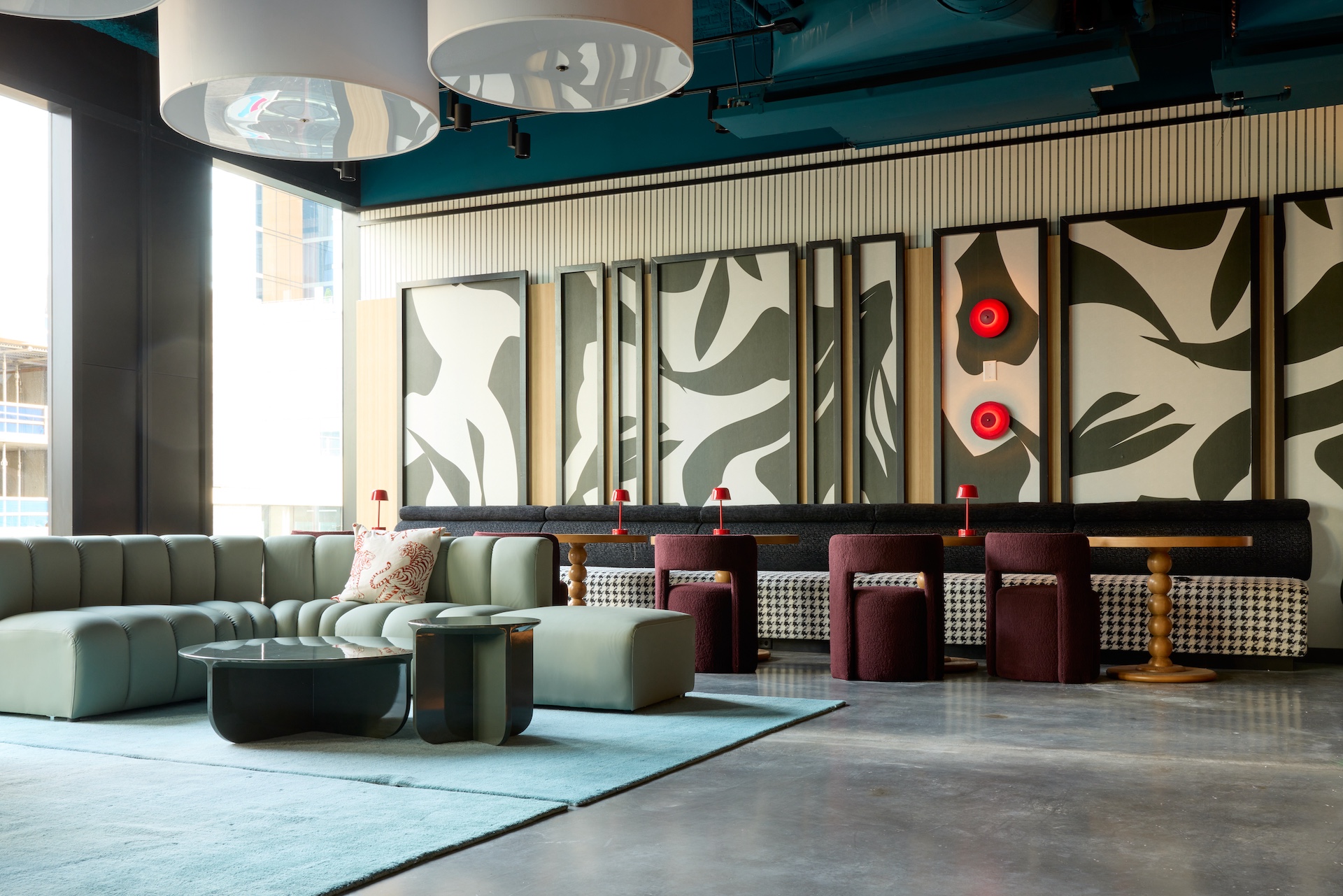
Creative companies have outpaced the spaces built to hold them.
These companies aren’t just rethinking where they work. They’re rethinking how space supports output, speed, and visibility. The old model, fixed offices, long leases, disconnected production, was built for a different pace. It doesn’t hold up when content moves daily, and teams operate across cities, clients, and channels.
What’s replacing it is more intentional. More operational. And more aligned with how creative work actually gets done.
At Ampersand Studios, that shift isn’t something to react to, it’s something the model was built around. From production-ready studios to flexible, design-forward environments in places like Nashville Yards and Miami’s Arts District, the focus is simple: remove friction, accelerate output, and give teams the infrastructure to actually execute.
Because today, space isn’t just where work happens. It’s part of how work gets done.
Here’s what modern creative teams are prioritizing now, and where most traditional workspaces still fall short.
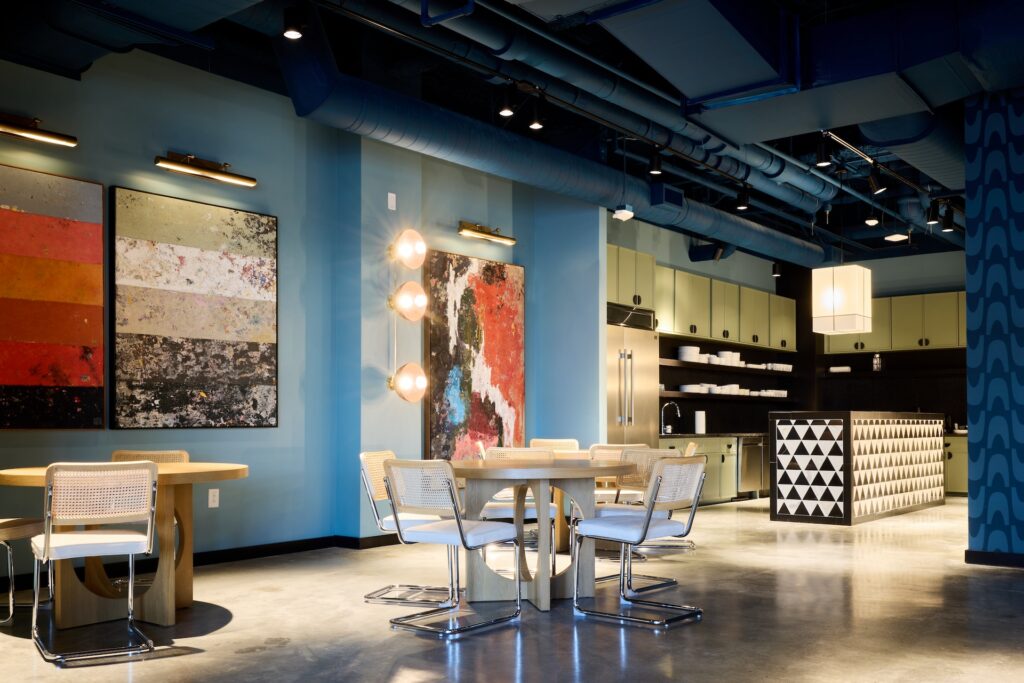
Production-Ready, Not Production-Adjacent
Content is no longer a separate function. It’s the business.
Whether it’s branded content, podcasting, campaigns, or social-first storytelling, production needs to be embedded into the workspace, not outsourced across town.
Creative teams are looking for:
- On-site studios (podcast, photo, video)
- Plug-and-play setups (no heavy lifting, no setup lag)
- Spaces that support both planned shoots and last-minute execution
This is where the model shifts from “workspace” to production infrastructure.
At Ampersand, whether in Miami’s Arts District or Nashville, the expectation is simple: you walk in with an idea, and you leave with content.
Flexibility That Actually Works Operationally
“Flexible” has become a buzzword. Most of the time, it just means shorter leases.
But for creative and entertainment companies, flexibility is about operational agility:
- Scaling teams up or down without friction
- Hosting talent, clients, or collaborators on demand
- Adapting space for shoots, meetings, or events within the same day
Rigid environments slow momentum. And in this industry, momentum is everything.
The companies moving fastest aren’t the ones with the biggest offices. They’re the ones with the least friction.
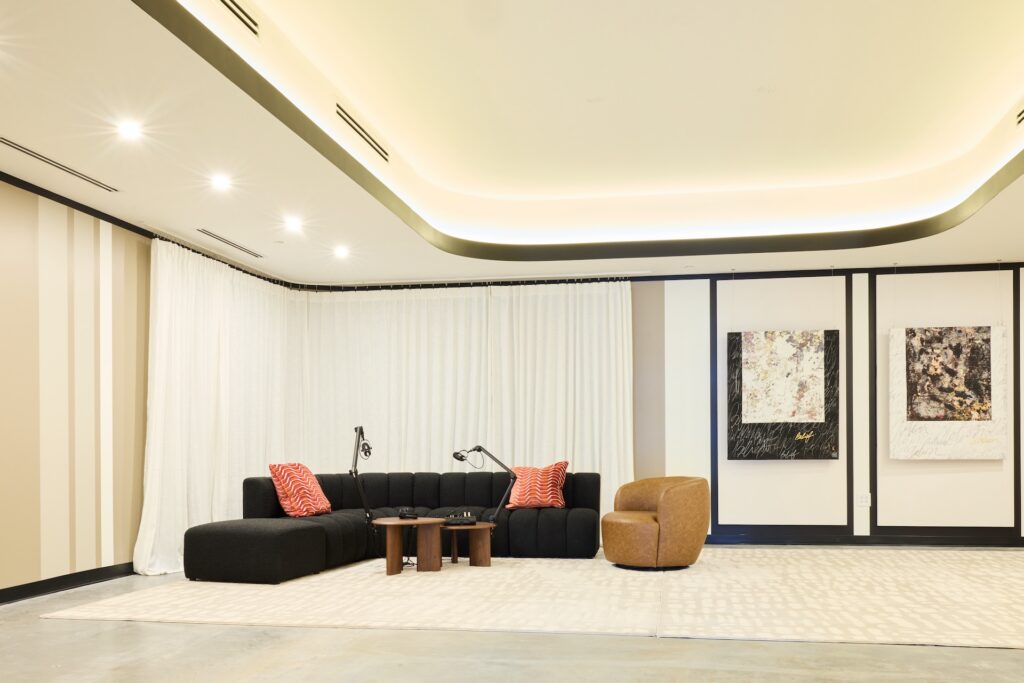
Spaces That Reflect the Brand
Creative companies don’t want to be neutral. They want to be intentional.
The workspace has become an extension of brand identity:
- Where clients walk in and immediately “get it”
- Where content can be captured without overproduction
- Where design actually supports creativity—not just aesthetics
Generic coworking doesn’t cut it anymore.
Spaces need to feel considered, elevated, and aligned with the caliber of work being produced. That’s why environments like Nashville Yards or the Miami Arts District matter, they carry context, energy, and relevance.
You’re not just renting space. You’re positioning your brand.
Built-In Community That Drives Opportunity
This isn’t about networking events. It’s about proximity.
Creative and entertainment companies thrive when they’re surrounded by:
- Founders building adjacent brands
- Agencies, producers, and operators
- Talent that can plug into projects in real time
The right environment creates collisions that actually convert, into partnerships, deals, and long-term relationships.
That’s the difference between a workspace and a platform for growth.
Speed to Execution
Time is the most expensive variable in creative work.
Delays in setup, approvals, logistics, or access don’t just slow teams down—they cost revenue.
Modern workspace expectations now include:
- Immediate occupancy (no build-outs, no downtime)
- Fully operational environments from day one
- Access to premium amenities without additional coordination
At Ampersand, the expectation is clear: you don’t wait to get started. You start.
Multi-Use Environments That Maximize ROI
Creative companies are thinking in terms of output per square foot.
A workspace should be able to:
- Function as an office
- Convert into a content studio
- Host events or activations
- Support client-facing experiences
All without requiring separate vendors, locations, or timelines.
This is where spaces like Soundstage and Ampersand’s event-ready environments come into play, built to flex between use cases without compromising quality.
The Bottom Line
Creative and entertainment companies aren’t looking for workspace. They’re looking for infrastructure that supports growth.
The expectations have evolved:
- From desks → to production ecosystems
- From leases → to flexibility that drives execution
- From offices → to environments that elevate brand and output
And the companies that adapt to this model will move faster, create more, and stay relevant longer.
The rest will keep trying to retrofit a system that was never built for how they actually work.
At Ampersand Studios, we’ve built for where this is going—not where it was.
From Miami’s Arts District to Nashville Yards, every space is designed to support creators, founders, and teams who treat content, collaboration, and speed as non-negotiables.
Because in this industry, the environment isn’t a backdrop.
It’s leverage.
